Three Months In, SpaceXAI Becomes SpaceXSI After Trump Order
Three months after launch, Musk is renaming SpaceXAI to SpaceXSI after a federal order to replace AI with super intelligence. Here's the brand lesson.
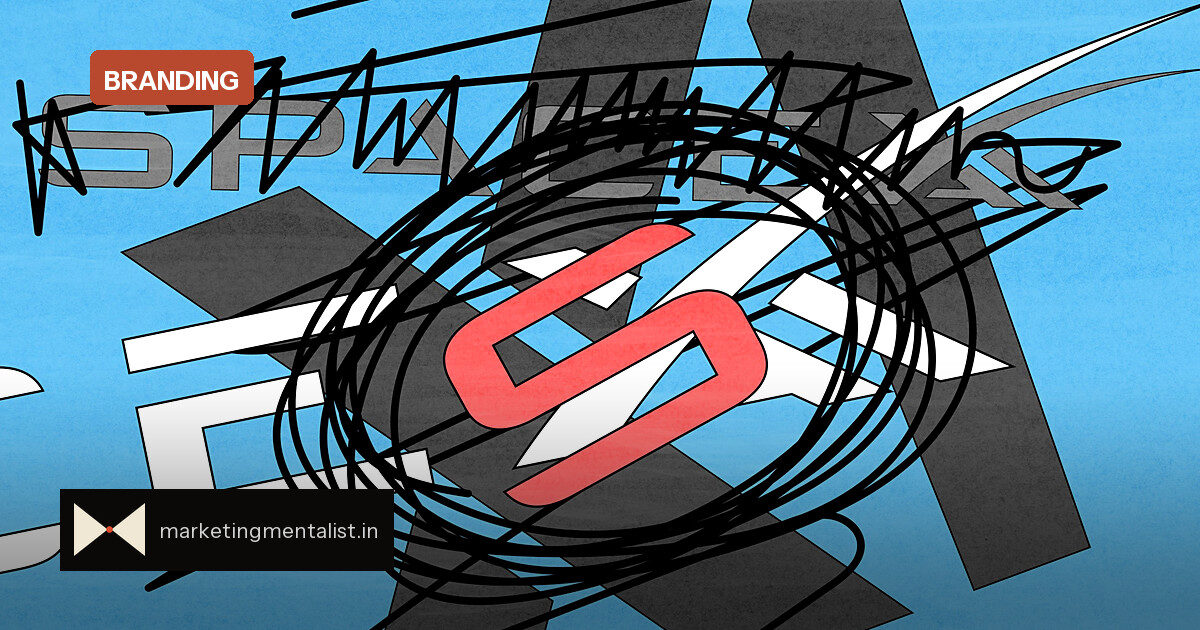
Three months after folding his AI startup into SpaceX under the much-mocked SpaceXAI name, Elon Musk is renaming the unit again. SpaceXAI will become SpaceXSI, swapping “AI” for “SI” to stand for “super intelligence.”
“No more AI. SI, it’s better,” Musk posted.
The timing is not accidental. On September 29, President Donald Trump signed an order titled “Inaugurating the Era of Super Intelligence,” directing government agencies to replace AI mentions with SI. The reasoning was plain: after a September 24 dinner with Chinese President Xi Jinping, Trump said “artificial intelligence sounds fake,” adding that Xi seemed to like the alternative.
Musk’s post came after a supporter asked whether he would follow the Silicon Valley suggestion. The rebrand lands just months after the July 2026 restructuring that made xAI a SpaceX subsidiary.
What “AI” had become
For brand managers, this is a live case in connotation. “Artificial” suggests counterfeit, hollow and even deceptive. “Super” points toward capability, scale and limitlessness. If you were naming the category from scratch, SI sounds stronger. But names are shorthand for accumulated experience, and AI has collected serious negative baggage: job-loss anxiety, energy and water use, creative strip-mining and a flood of low-quality content.
Changing the letters does not launder that reputation. At best, an SI pivot creates a new front door. The public still has to believe the experience behind it has changed.
Musk has been here before
Superintelligence is not new territory for Musk. He referenced philosopher Nick Bostrom’s book Superintelligence: Paths, Dangers, Strategies back in 2014, posting on what was then Twitter that humanity might be “just the biological boot loader for digital superintelligence.” Bostrom thanked Musk in the book’s acknowledgments.
That history matters. For a founder with well-documented superintelligence fears, moving the brand language from “artificial” to “super” is consistent—but it also moves the story from a polite category label to a bigger, more loaded promise.
What brand teams should do
Before renaming anything, ask what the old name has come to mean—and whether the new name changes the experience or only the wrapper.
- Audit the emotional weight of a name, not just its technical accuracy.
- If trust is broken, fix the product and proof points before the acronym.
- Test new names with sceptics and critics, not only with fans.
- Use “super” sparingly; a superlative promise raises expectations.
The silver lining for Musk’s marketing team is simpler: the unloved SpaceXAI wordmark can finally be retired. Whether “SI” under the rocket trail looks better is another question.
Source: Fast Company